I’m sure some of you have wondered about the silhouette of the ship at the top of the site. Even if you haven’t wondered, I’m going to tell you anyways. There were two naval vessels built for the U.S. Navy named Quincy. And, yes, both were built in Quincy, Massachusetts. Now, for those of you not of the New England persuasion, Quincy (the city) is not pronounced like Quincy (the toddler). Quincy, Massachusetts, is pronounced Quinn-zee – just a bit of technical info for you there.
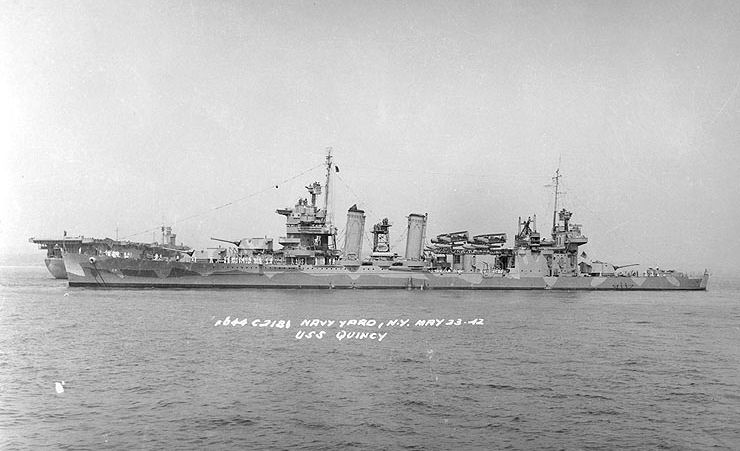
The first USS Quincy, a 9375-ton New Orleans class heavy cruiser, was commissioned in June 1936. She soon was sent to the western Mediterranean Sea for three months to protect American interests during the Spanish Civil War. In April 1937, Quincy passed through the Panama Canal to begin operations in the Pacific. She returned to the Atlantic in January 1939 and in February took part in Fleet Problem XX in the Caribbean.
With the outbreak of World War II in Europe in early September 1939, Quincy began Neutrality Patrol activities in the western Atlantic area. She revisited South America during mid-1940 and over the next year participated in Naval Reserve training voyages, more Neutrality enforcement patrols and Caribbean amphibious warfare exercises. Beginning in July 1941, the Quincy cruised between the Atlantic coast and Iceland, marking an extension of U.S. “short of war” operations to the middle of the North Atlantic. Later in the year, she escorted a convoy from South Africa to Trinidad. These escort and patrol duties continued after the United States entered the war in December 1941.
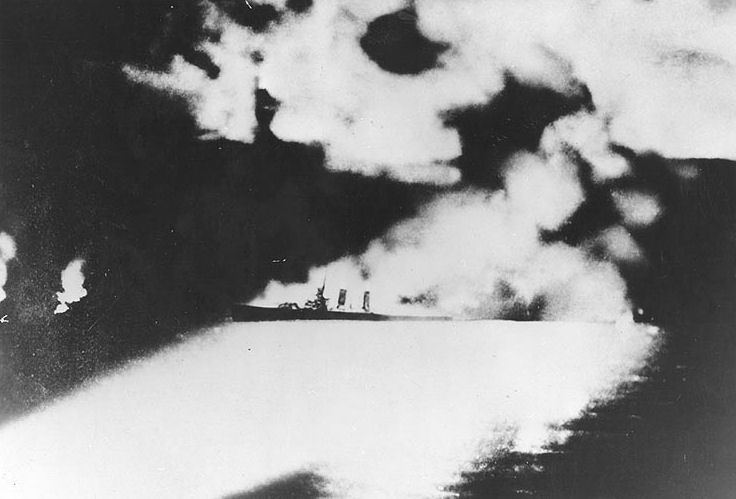
Following an overhaul, Quincy transferred to the Pacific Fleet in June 1942. The next month, she was sent to New Zealand, where she joined the forces preparing for the invasion of the southern Solomon Islands. On 7 August 1942, Quincy bombarded Japanese installations on Guadalcanal in support of the U.S. Marine Corps landing there. During the night of 8-9 August, she was one of three heavy cruisers stationed in the northern approaches to the invasion zone and was sunk there by a force of Japanese cruisers in the disastrous Battle of Savo Island in the early morning darkness of 9 August 1942.
Here are 6 images of the first USS Quincy:
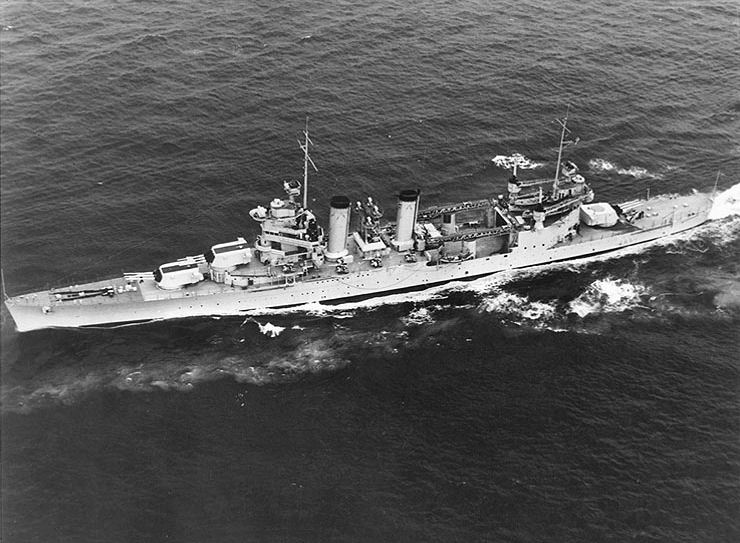
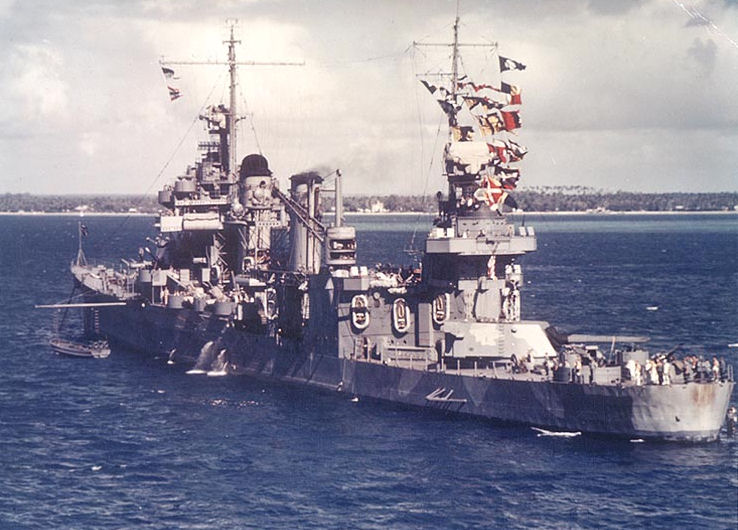
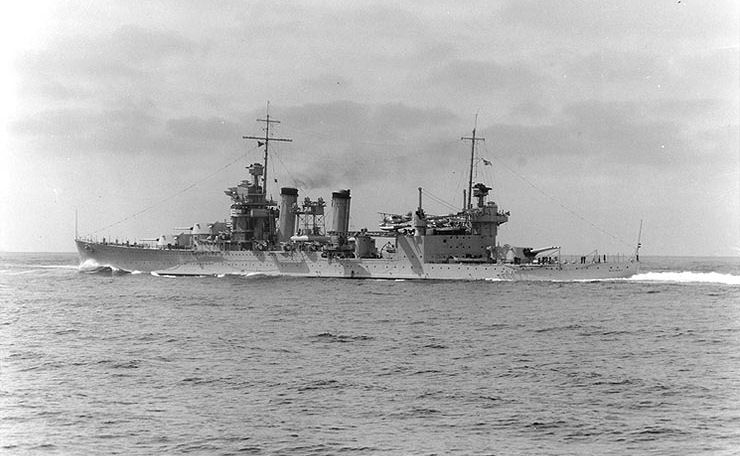
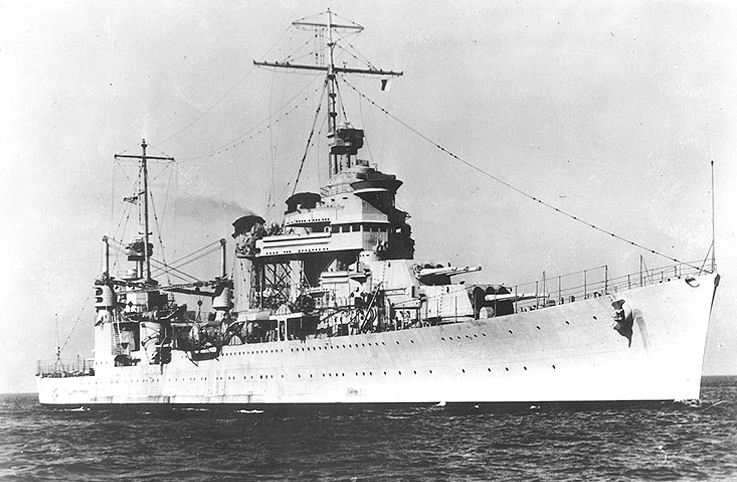
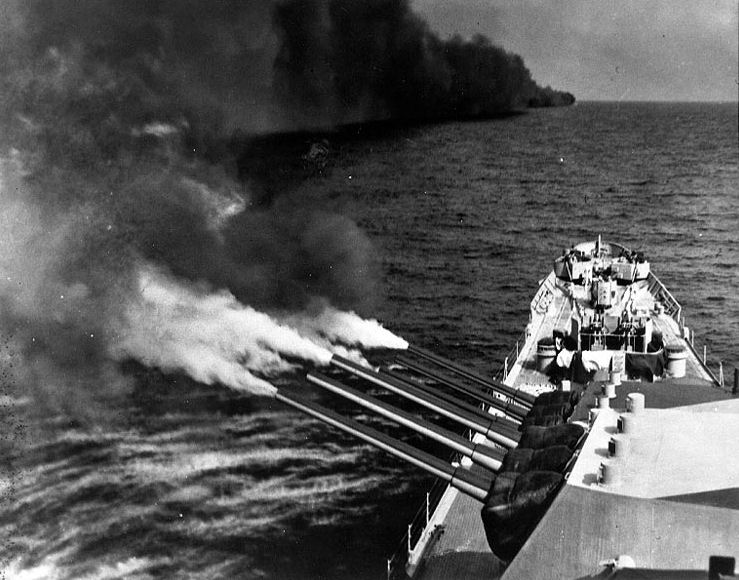
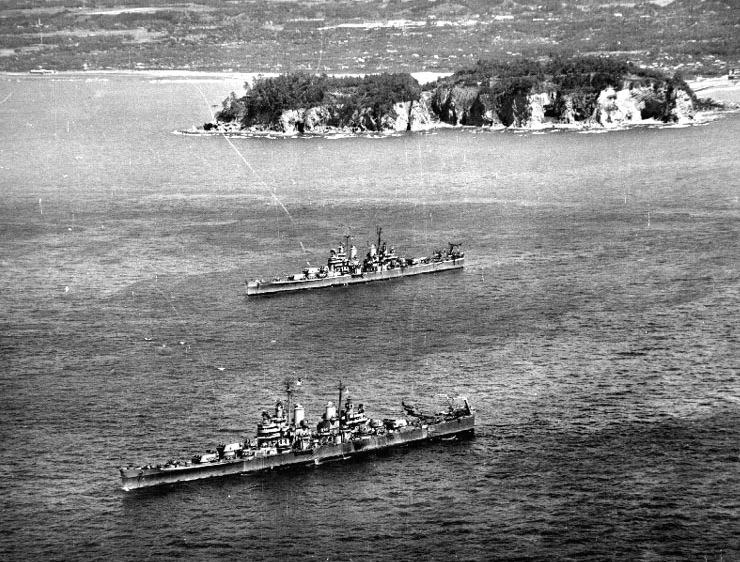
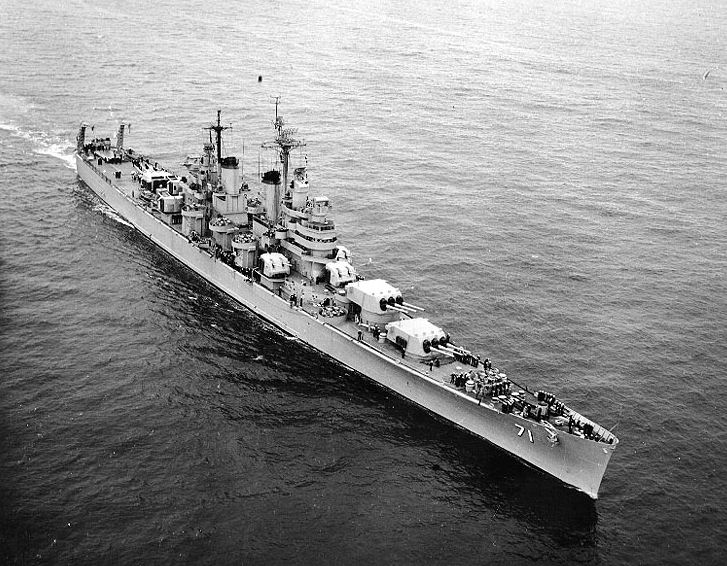
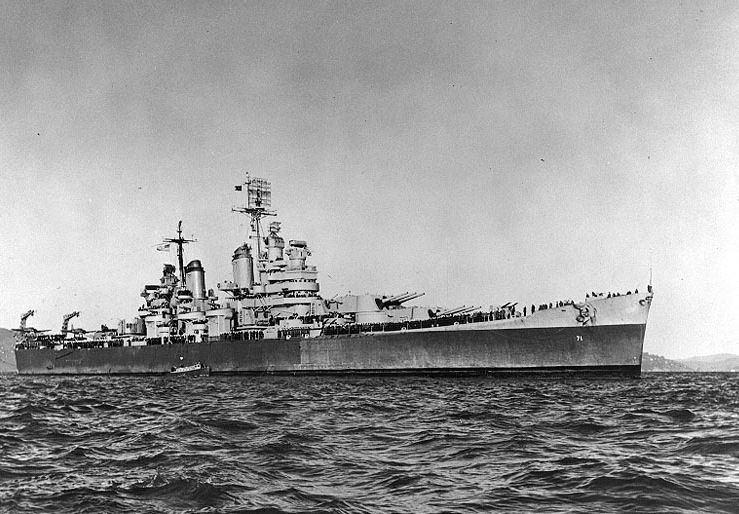
The second USS Quincy, a 13,600-ton Baltimore class heavy cruiser was also built (duh) in Quincy, Massachusetts and commissioned in December 1943. Following a Caribbean shakedown cruise and training in the North Atlantic, in May 1944 she reported to the 12th Fleet for service in European waters. During June 1944, Quincy provided gunfire support for the Normandy Invasion and bombarded German positions around Cherbourg, France. After steaming to the Mediterranean, the cruiser participated in the invasion of Southern France in August. She returned to the U.S. shortly thereafter.
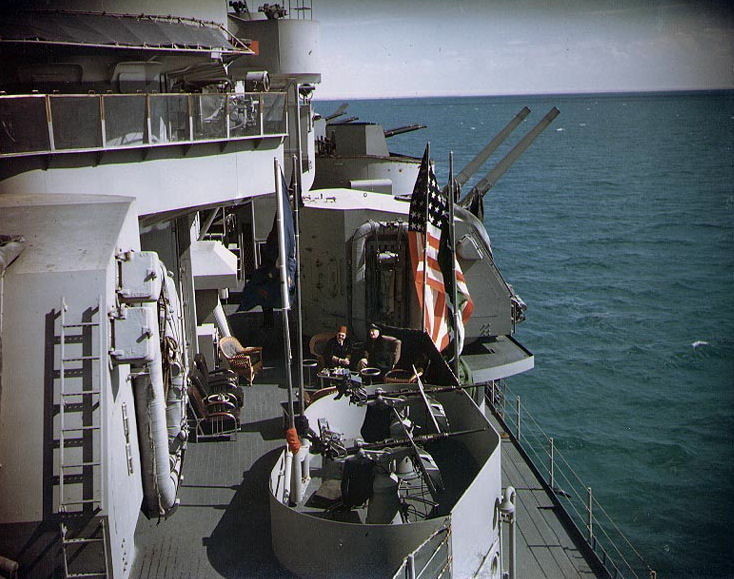
In January and February 1945, Quincy transported President Franklin D. Roosevelt and his party most of the way to and from the Yalta Conference. When the conference was completed, she was the site of meetings between the President, King Farouk of Egypt, Emperor Haile Selassie of Ethopia and King Ibn Saud of Saudi Arabia. Upon her arrival back in the United States, Quincy was transferred to the Pacific, where she escorted the fast carriers as they conducted air strikes on targets in the Ryukyus and the Japanese Home Islands during the last five months of World War II. In mid-July, she used her own eight-inch guns to bombard an iron plant at Kamaishi, Japan. After Japan’s capitulation in August, Quincy supported occupation efforts.
Quincy was decommissioned at Bremerton, Washington, in October 1946. However, the coming of the Korean War brought a need for more active gun ships and Quincy was recommissioned in January 1952. She made one Western Pacific deployment, arriving in July 1953, just as the conflict was negotiated to an end, and remained in Asiatic waters until December. She was again decommissioned in July 1954 and spent nearly two decades in “mothballs” at Bremerton. USS Quincy was stricken from the Naval Vessel Register in October 1973 and sold for scrapping in August 1974.
A sad end for Quincy’s namesake, but at least it happened in a good year. I wonder how much money it went for for scrap.
Image #1 Image #2 Image #3 Image #4 Image #5
Most of the write-ups on this page and all the images were taken from the Naval Historical Center site.
So there you have it – more information than you ever wanted to know about the ships named Quincy. At least you now know why the silhouette is there.